

Are Clone Perfumes Worth Buying? The Sincere Truth Behind Inspired Fragrances
Are Clone Perfumes Worth Buying? The Sincere Truth Behind Inspired Fragrances
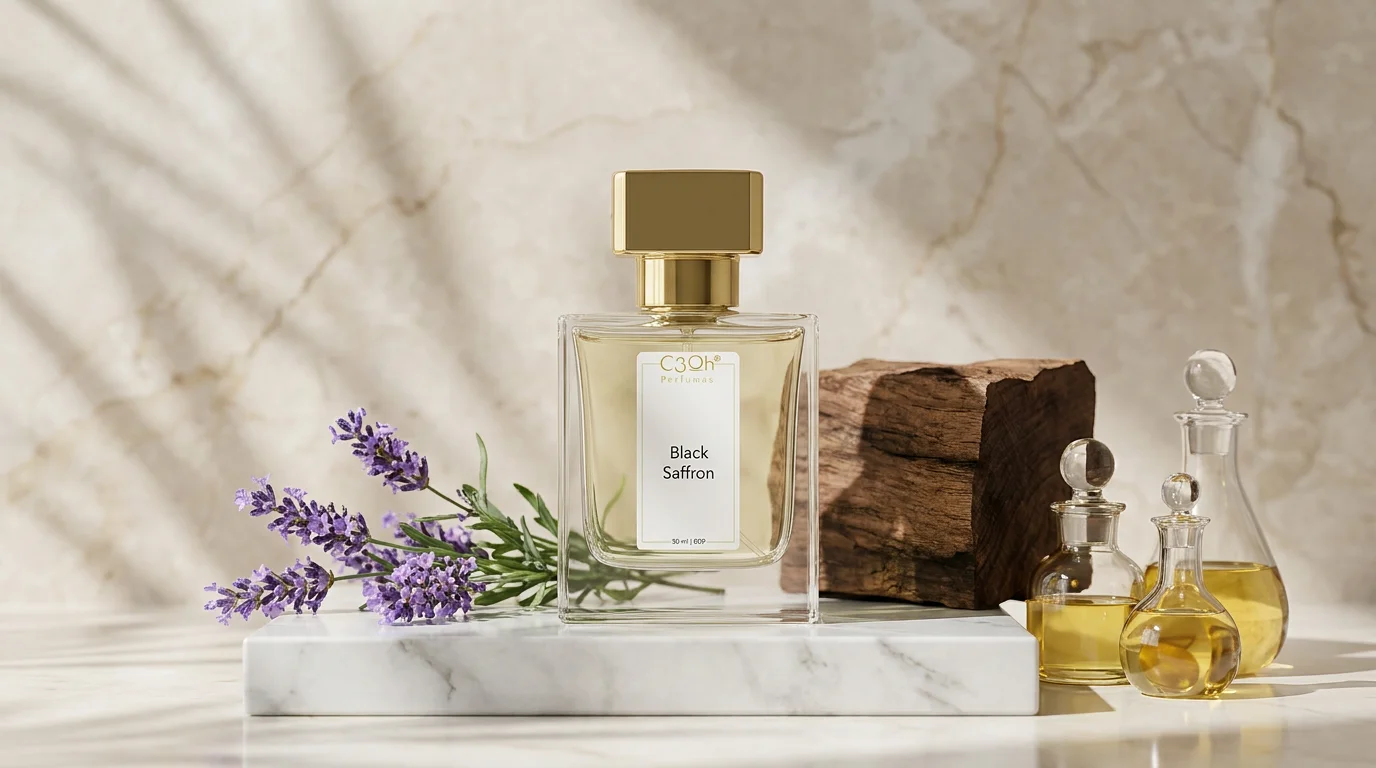
The global fragrance market is undergoing a quiet revolution. Once dominated by high-end design houses charging astronomical prices, the modern scent landscape is now rich with "clones," "dupes," and "inspired-by" alternatives. This shift has left many perfume enthusiasts in India asking one central question:
"Are clone perfumes actually worth buying, or are they just cheap, watered-down compromises?"
At C3oh Perfumes, we believe in radical transparency. In this comprehensive guide, we will peel back the curtain on the fragrance industry's economics, decode the science behind scent replication, address skin safety concerns, and provide an honest side-by-side comparison to help you make an informed decision.
1. The Luxury Perfume Premium: What Are You Actually Paying For?
To understand why high-quality clones exist and how they are priced, we must look at the financial anatomy of a typical ₹12,000 to ₹25,000 designer bottle.
According to industry analysts and perfumery reports, the cost breakdown of a luxury designer perfume bottle generally looks like this:
- The Fragrance Concentrate (The Juice): Only 2% to 5% of the retail price. For a ₹15,000 bottle, the actual essential oils, aroma chemicals, and solvent inside cost between ₹300 and ₹750.
- Marketing & Celebrity Endorsements: 35% to 45%. Super Bowl commercials, billboard campaigns, and multi-million dollar contracts for Hollywood brand ambassadors drive up the cost of every single spray.
- Packaging, Glass, and Cap: 15% to 20%. Custom-molded thick Italian glass, heavy magnetic metal caps, and elaborate debossed cardboard boxes add to the premium "unboxing" feel.
- Retail Markups & Middlemen: 30% to 35%. High-end physical boutiques, international customs duties, distributor margins, and prime mall rentals in cities like Delhi or Mumbai significantly inflate the final price tag.
Because clone houses bypass celebrity contracts, cut out complex retail layers, and use standardized, minimalist glass bottles, they can reallocate resources to what truly matters: the quality of the scent juice itself.
2. Scent Accuracy: Can a Clone Smell 99% Close to the Original?
Many skeptics believe that clone perfumes are "guesswork" made by amateur mixers. In reality, modern scent cloning is an advanced chemical science.
The process depends on a piece of high-precision laboratory equipment called GC-MS (Gas Chromatography-Mass Spectrometry):
- Chemical Scanning: A sample of the original designer perfume is injected into the GC-MS machine.
- Molecular Mapping: The machine separates and identifies every single chemical compound, essential oil, and fixative in the mixture down to the parts-per-million level.
- The Formula Map: The machine outputs a highly accurate molecular blueprint of the perfume's top, middle, and base notes.
From Blueprint to Bottle
Having a map is one thing; building the house is another. Master perfumers must manually rebuild the scent profile using this blueprint.
To achieve 95% to 99% scent accuracy, high-end clone houses do not use cheap synthetic substitutes. Instead, they source their raw ingredients from the same legendary European aroma-chemical houses (such as Givaudan, Firmenich, and IFF) that supply the major luxury brands.
For instance, if an original scent relies on natural Bergamot from Calabria or premium French lavender, a luxury clone house like C3oh Perfumes imports the exact same high-grade natural oils to ensure the opening, dry-down, and projection mimic the original masterpiece with stunning precision.
3. Safety First: Are Inspired Perfumes Safe for Your Skin?
A common and highly valid concern among buyers is skin safety. Many ask: "Will cheap clone perfumes cause rashes, pigmentation, or breathing issues?"
The answer depends entirely on where you buy your clones.
Cheap Counterfeits vs. Premium Inspired Perfumes
It is critical to distinguish between illegal counterfeits and legal inspired perfumes:
- Counterfeits (Fake "Originals"): These are black-market fakes designed to look exactly like the original brand. They are produced in unregulated, underground laboratories with absolutely zero quality control and can contain harmful contaminants. These are highly dangerous.
- Premium Clones (Inspired Fragrances): Brands like C3oh Perfumes operate legally as registered cosmetics manufacturers. We use our own branded, minimalist packaging and strictly adhere to international safety regulations.
Adherence to IFRA Standards
Any reputable clone house must comply with the IFRA (International Fragrance Association) standards. C3oh Perfumes strictly sources IFRA-certified, dermatologically safe ingredients and uses cosmetic-grade, denatured perfumer's alcohol to prevent irritation.
4. Frequently Asked Questions (FAQ)
Q: Why do some clone perfumes last longer than the original designer scents?
A: Many original designer perfumes are formulated as Eau de Toilette (EDT) or Eau de Parfum (EDP). Premium clone houses like C3oh formulation in Extrait de Parfum concentration (often 25% to 30% oil density). The higher oil concentration slows down evaporation, allowing the scent to linger significantly longer.
Q: Is buying inspired-by fragrances legal?
A: Yes, absolutely. You cannot patent or copyright a smell. However, brand names, logos, and bottle shapes are protected. Premium clone houses operate completely legally because we use our own distinct brand names and minimalist bottle designs.
5. The Verdict
Buying a premium clone (like C3oh) is the best choice for a Daily Signature Scent or for Building a Fragrance Wardrobe where you want a versatile rotation of luxury profiles for the price of a single designer bottle.
Ready to explore high-effort, skin-safe, and incredibly long-lasting luxury alternatives? Check out our complete C3oh Extrait de Parfum Collection and discover your next signature scent for under ₹1,500.