

Homegrown Indian Perfume Houses vs Imported Clones: Which is Better?
Homegrown Indian Perfume Houses vs Imported Clones: Which is Better?
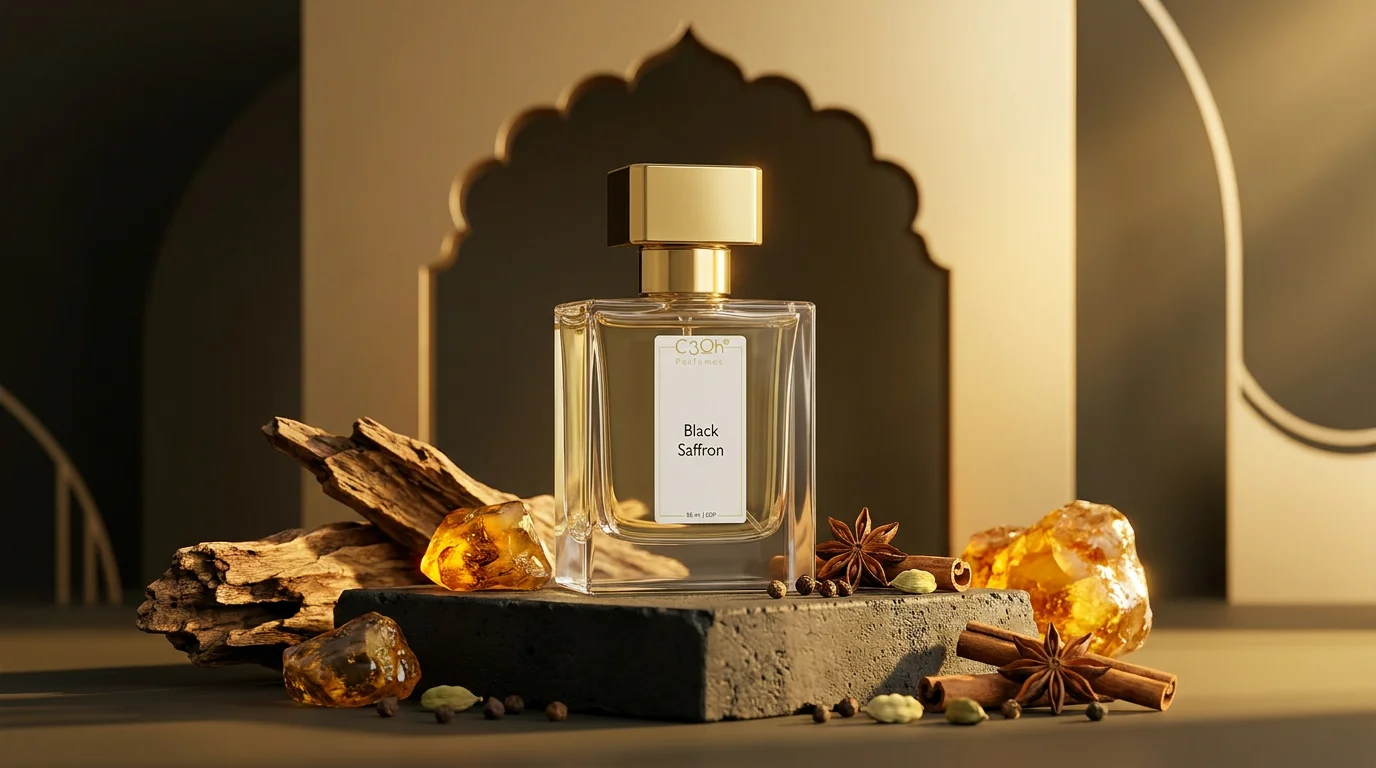
The fragrance landscape in India is undergoing a massive cultural shift. Just a decade ago, looking for affordable alternatives to ₹15,000 international designer fragrances meant scrolling through suspicious street-side stalls or buying watered-down synthetic duplicates that evaporated within 15 minutes. It was a trade-off between smelling decent and keeping your hard-earned money.
Fast forward to today, and the concept of "clonology" has matured into a respected, high-demand industry. Smarter consumers are realizing that you do not need to drop half a month’s salary to smell like Creed, Tom Ford, or Louis Vuitton. However, as the market expands, a new debate has captured the attention of fragrance collectors across the country: Homegrown Indian Perfume Houses vs. Imported Clones.
On one side, we have legendary Middle-Eastern giants like Lattafa, Armaf, and Maison Alhambra, which have dominated the global budget perfume market for years. On the other side, a wave of premium, direct-to-consumer (D2C) Indian perfume houses has emerged, engineering high-concentration formulations specifically designed to combat local weather. In this comprehensive comparison guide, we analyze both options in terms of scent accuracy, longevity, shipping speed, and overall value, helping you decide where to invest your hard-earned money.
1. The Rise of the Clone Perfume Culture in India
India is a fragrance-obsessed nation. From our historical use of natural attars and essential oils (like jasmine, vetiver, and rose) to our modern love for European designer scents, perfume is deeply rooted in our daily grooming routines. However, high import tariffs, steep currency conversion rates, and corporate markups make international luxury brands inaccessible to the vast majority of the population.
This massive gap in the market created a perfect breeding ground for alternative, high-quality clones. Scent cloning is not about selling "fakes" in identical counter-feit bottles. Instead, it is the sophisticated process of reverse-engineering luxury scent profiles using advanced gas chromatography-mass spectrometry (GC-MS) technology. This science allows perfumers to recreate the exact olfactory notes (the "juice") in minimal, uniform packaging, making high-end perfumery affordable and accessible to everyone.
2. Imported Clone Giants: The Middle-Eastern Influence (Lattafa, Armaf, Alhambra)
For years, Middle-Eastern brands from the United Arab Emirates (UAE) have been the undisputed heavyweights of the budget perfume world. Brands like Armaf (famous for *Club de Nuit Intense Man*), Lattafa (known for *Khamrah* and *Asad*), and Maison Alhambra have gained massive cult followings among Indian collectors.
The Positives:
- Excellent Value for Money: For ₹1,500 to ₹3,000, these brands offer presentation-grade bottles, often with heavy glass structures and magnetic caps.
- Incredible Performance: Because Middle-Eastern culture favors heavy, projecting scents, their perfumes are frequently formulated with dense bases of oud, amber, musk, and heavy spices.
- Massive Catalogs: These brands release hundreds of new clones every year, giving you access to nearly every popular designer and niche scent profile in existence.
The Challenges:
- Harsh Openings: To mass-produce millions of bottles, Middle-Eastern giants often rush the maceration (aging) process. This results in highly synthetic, harsh "chemical" or "lemon-cleaner" openings that require 15 to 30 minutes to settle into a pleasant aroma.
- Climatic Incompatibility: Heavy Middle-Eastern formulas perform beautifully in dry, air-conditioned environments. However, under the intense tropical humidity of Mumbai, Chennai, or Kolkata, these heavy spices can feel suffocating and cloying, leading to a cloying scent cloud that is unpleasant to those around you.
- Shipping and Customs Risks: Since these products are imported, they are subject to supply chain disruptions, fluctuating stock levels, and markups from independent Indian retailers.
3. Homegrown Pioneers: Why Indian Perfume Houses are Winning Hearts
In response to the limitations of mass-market imported clones, a new wave of boutique, homegrown Indian perfume houses has emerged. These direct-to-consumer (D2C) brands are winning over fragrance enthusiasts by focusing on local solutions to local problems.
The Indian Climate Edge:
Unlike Middle-Eastern brands that formulate for dry desert heat and air-conditioned spaces, premium Indian clone houses (such as C3oh Perfumes) engineer their scents specifically to handle the extreme humidity, dry heat, and intense perspiration of the Indian tropical climate. By utilizing lighter, fresher top notes balanced with high-grade synthetic fixatives (like Ambroxan and clean musks), local perfumers prevent scents from breaking down or turning sour when mixed with sweat.
The Maceration Advantage:
Because local houses operate on a smaller, boutique scale, they can afford to prioritize quality over volume. Batches are matured and macerated for 4 to 6 weeks in temperature-controlled dark rooms before bottling. This essential aging process rounds out the harsh alcohol edges, ensuring that your first spray is smooth, rounded, and natural—with zero harsh chemical openings.
D2C Logistics and Safety:
By bypassing international shipping, custom clearances, and multi-tier distributor markups, homegrown brands can deliver luxury-level products directly to your doorstep. More importantly, reputable local houses strictly adhere to International Fragrance Association (IFRA) guidelines and utilize cosmetic-grade, non-irritating perfumer’s alcohol to guarantee complete skin safety in high-sweat environments.
4. Direct Comparison: Imported Clones vs. Local Indian Houses
To help you choose the right direction for your fragrance collection, here is a side-by-side comparison of mass-market imported clones and premium homegrown Indian houses:
| Feature / Attribute | Imported Clones (Lattafa, Armaf, etc.) | Premium Homegrown Houses (C3oh Perfumes) |
|---|---|---|
| Scent Opening | Often harsh, synthetic, or chemical for the first 15 mins. | Smooth, rich, and rounded immediately upon spraying. |
| Tropical Performance | Heavy base notes can turn cloying or suffocating in humidity. | Formulated to resist sweat degradation and remain clean. |
| Concentration Level | Typically Eau de Parfum (12% to 18% oil concentration). | Extrait de Parfum (25% to 35% oil concentration) for beast longevity. |
| Shipping & Delivery | 5 to 10 days (subject to customs and local dealer stocks). | Superfast D2C delivery (2 to 4 business days nationwide). |
| Skin Safety Check | Varies; some industrial-grade formulas can cause skin irritation. | Strictly IFRA compliant; uses premium skin-safe perfumer's alcohol. |
5. Why C3oh Perfumes Offers the Best of Both Worlds
At C3oh Perfumes, we realized that consumers shouldn't have to compromise between the massive, premium ingredient sourcing of global brands and the tailored, local advantages of Indian houses. That is why we built a formulation bridge that offers the **best of both worlds**:
- French-Sourced Raw Essences: We source 100% of our base perfume oils and fine aroma-compounds directly from the heritage laboratories of Grasse, France. This ensures that our scent profiles have the exact same rich, complex multi-layered structure as original designer masterpieces.
- Local Formulation & Maceration: Once the premium oils arrive in India, our perfumers blend and macerate them locally. We adjust the solvent density to combat Indian humidity, utilizing a heavy 30% **Extrait de Parfum** concentration that anchors the fragrance to skin and fabrics, providing true all-day longevity.
- Unbeatable D2C Pricing: By shipping directly from our local blending facilities to your doorstep, we cut out all international import duties, middleman margins, and distributor commissions—delivering absolute luxury for under ₹1,200 per bottle.
6. Verdict: Should You Buy Imported or Buy Local?
The choice between imported clones and local Indian houses ultimately comes down to your personal priorities:
If you are an advanced collector who loves heavy, dark, and complex Middle-Eastern oud profiles and doesn't mind a harsh synthetic opening or waiting a week for shipping, imported giants like Lattafa or Armaf are solid, reliable choices.
However, if you want a **smooth luxury experience from the very first spray**, need a perfume that **survives intense humidity and sweat**, care deeply about **IFRA skin safety guidelines**, and want your orders delivered to your doorstep within 48 hours—homegrown premium houses like C3oh Perfumes are the absolute winner.
Ready to experience local luxury engineered for the Indian climate? Explore the C3oh Best-Selling Extrait Collection and secure your new signature scent today.