

Is Alcohol Bad for Perfume? Denatured vs Industrial Alcohol Explained
The Truth About Alcohol in Perfume: Is It Safe for Your Skin?
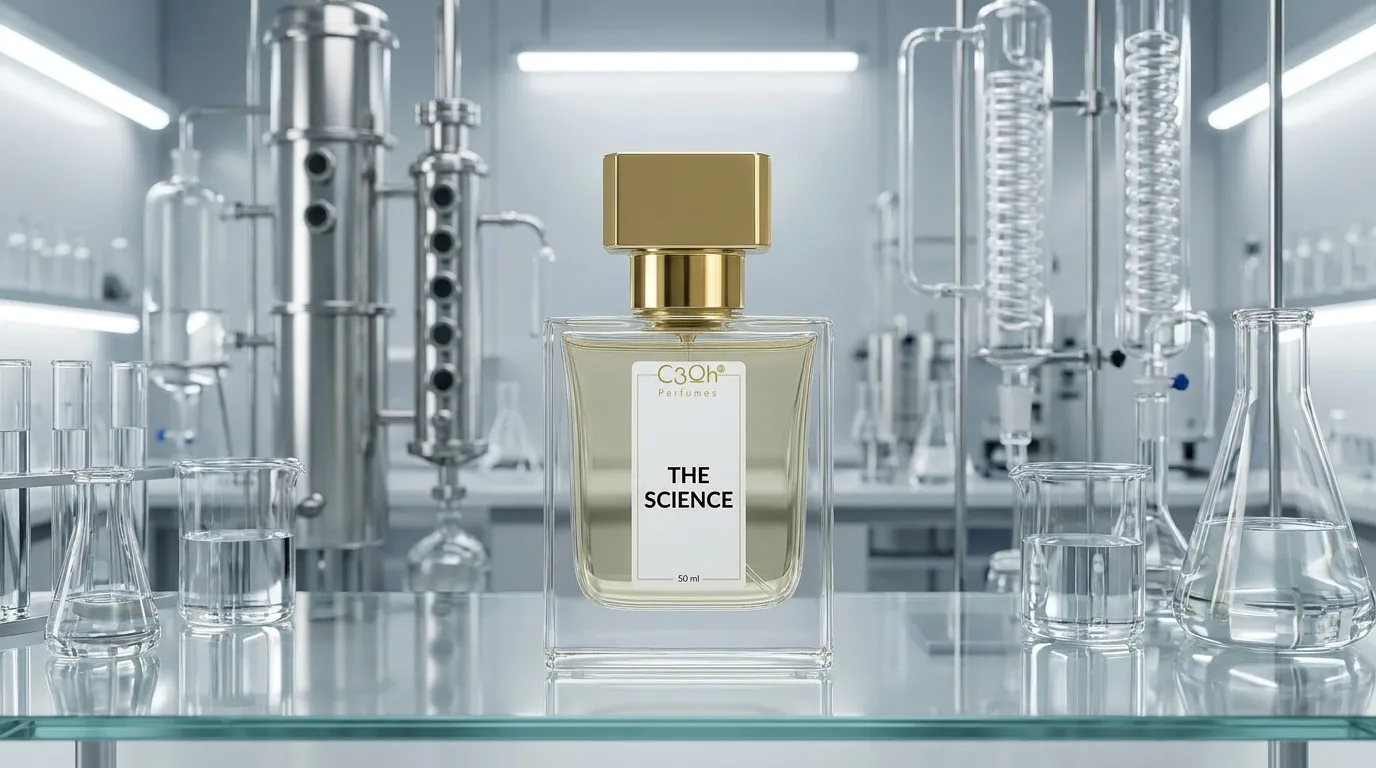
If you look at the ingredients list on any luxury or clone perfume bottle, the first ingredient you will almost always see is Alcohol Denat (Denatured Alcohol). For some, this triggers a red flag. We’ve been told for years that alcohol is "drying" or "damaging" to the skin. This leads many fragrance lovers in India to ask: "Is alcohol actually bad for perfume, or is it a necessary evil?"
In this deep-dive into olfactory chemistry, we strip away the myths. You’ll learn exactly why alcohol is essential for fine fragrance, the critical difference between cosmetic-grade and industrial alcohol, and how denatured alcohol in perfume safety standards protect your skin.
1. Why is Alcohol Even Used in Perfume?
It might surprise you, but a perfume made of 100% pure oil would actually be a poor performer. Alcohol serves three vital scientific functions in a fragrance bottle:
- The Projector (The Lift): Alcohol is highly volatile, meaning it evaporates quickly. As it evaporates from your skin, it "carries" the scent molecules into the air. Without alcohol, your perfume would stay stuck to your skin, and no one would be able to smell your sillage.
- The Preservative: Alcohol prevents the natural and synthetic oils from oxidizing or going rancid. It keeps the "juice" fresh and shelf-stable for years.
- The Solvent: Perfume oils are incredibly dense. Alcohol dilutes them to a safe concentration that can be sprayed through a fine mist nozzle without clogging.
2. Denatured vs. Industrial Alcohol: The Critical Difference
When people worry about skin safety, they are usually thinking of Isopropyl alcohol (rubbing alcohol) or Industrial Ethanol. These are not what we use at C3oh Perfumes.
Denatured Alcohol (Alcohol Denat): This is high-purity ethanol that has been rendered undrinkable by adding a "bitterant." In the perfume world, we use Cosmetic-Grade SD Alcohol 40-B. It is specifically refined to be incredibly gentle on human skin, free from the impurities found in lower-grade alcohols that cause rashes or "stinging" sensations.
3. The "Cheap Clone" Danger: Methanol and Phthalates
The reason "street" perfumes or unregulated cheap clones are dangerous is that they often use unrefined industrial alcohol containing Methanol. Methanol is toxic and can be absorbed through the skin, leading to long-term health issues.
At C3oh Perfumes, we strictly adhere to IFRA standards. We source our denatured alcohol from certified cosmetic suppliers in India and France. Our formulations are:
- Methanol-Free: No toxic industrial fillers.
- Phthalate-Free: No harmful hormone-disrupting chemicals used as fixatives.
- Dermatologically Safe: Balanced to ensure that even with high oil concentrations (Extrait de Parfum), the alcohol flash-off is clean and non-irritating.
4. How to Protect Your Skin While Wearing Perfume
If you have extremely sensitive or dry skin, follow these two professional tips:
- The Unscented Lotion Trick: Apply an unscented moisturizer to your pulse points before spraying. This creates a lipid barrier that protects the skin and also gives the perfume oils something to "grip," significantly increasing longevity.
- The Clothing Method: If your skin is highly reactive, spray our **Extrait de Parfum** onto the lining of your clothes or your hair. Because C3oh uses high-quality oils, the scent will last for days on fabric without needing skin contact.
5. Verdict: Safety is in the Source
Alcohol isn't the enemy—low-quality standards are. When you buy from a reputable house like C3oh, the denatured alcohol in your bottle is a sophisticated carrier designed to make you smell incredible while keeping your skin perfectly healthy.
Want luxury you can trust? Explore the C3oh Certified Safe Collection and experience the science of fine fragrance today!